
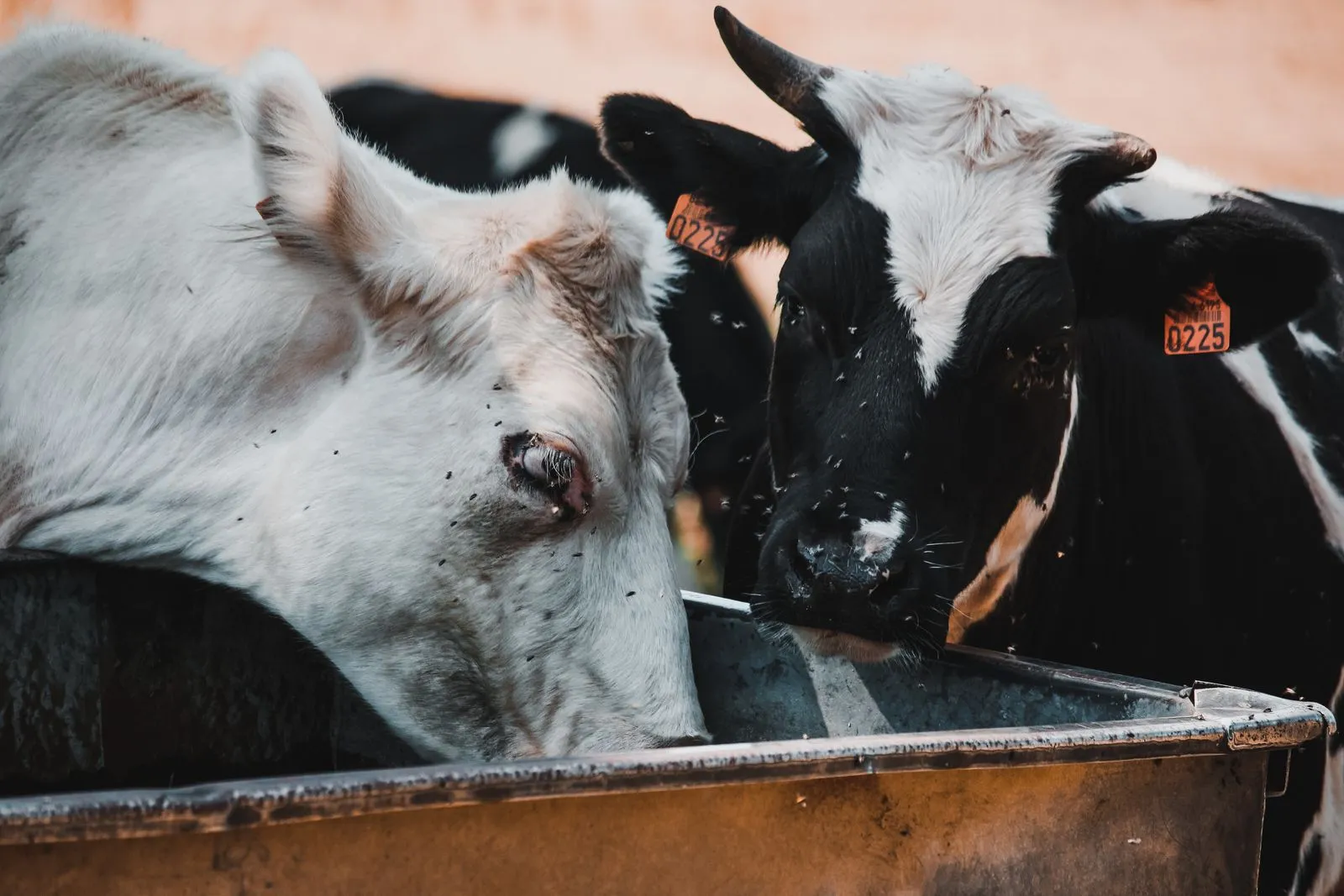
Farm animals rarely announce that something is wrong. More often, the clues are subtle: a slower walk, a missed meal, or less interest in the herd. Notice what is normal for each animal, then pay attention when that pattern changes. A quick daily check can help you catch concerns early and give your veterinarian useful details. Some signs call for prompt attention, while others may be monitored briefly with guidance from a veterinary professional.
Changes in appetite and drinking
A sudden drop in feed or water intake deserves attention, especially if it continues through a feeding or affects more than one meal. Watch for an animal that approaches food but does not eat, chews slowly, drops feed, or has trouble swallowing. Check whether the feed or water supply has changed, but do not assume that a supply issue explains the behavior.
Eating more than usual, unusual food-seeking, or a noticeable change in rumination can also be worth discussing. Note what the animal normally eats, when the change began, and whether manure output has shifted. Contact your veterinarian if reduced intake persists, or sooner if the animal seems weak, bloated, uncomfortable, or unable to drink.
Movement, posture, and comfort
Look for limping, stiffness, shortened steps, reluctance to rise, or an animal that falls behind the group. Check whether it favors one leg or avoids putting weight on a foot. A new reluctance to walk, climb, or use a familiar area may point to pain or injury, even when you cannot see a wound.
Posture can offer useful clues, too. Repeatedly lying down and getting up, hunching, stretching, or holding the head or neck in an unusual position may signal discomfort. Keep the animal in a safe, quiet area if movement appears painful, and call your veterinarian for advice. Avoid forcing it to walk or attempting treatment that could worsen an injury.
Behavior and social changes
An animal that becomes unusually quiet, isolates itself, or stops responding to familiar routines may not feel well. Other changes can include irritability, restlessness, frequent vocalizing, or reduced interest in companions. Compare the behavior with that animal’s usual temperament, since normal activity varies by species, age, and individual.
Notice whether the change appeared suddenly or developed over several days. Record when it happens and whether it coincides with feeding, handling, weather, or a change in the group. A clear behavior shift paired with poor appetite, unusual posture, or reduced activity is a stronger reason to call than any one vague sign on its own.
Other signs to check
During a routine look-over, note changes in breathing, coughing, nasal or eye discharge, skin, coat, swelling, or wounds. Check manure and urination for changes in amount, consistency, color, or frequency. If you can do so safely, take the animal’s temperature using the method your veterinarian recommends; normal ranges differ among species and circumstances.
Call promptly for labored breathing, collapse, severe bleeding, inability to stand, suspected poisoning, or rapid worsening. For less urgent changes, contact your veterinarian if they persist, recur, or appear alongside other symptoms. Share the animal’s species, age, signs, start time, recent feed or management changes, and any measurements you have. Photos or a short video can help show what you observed.
A daily glance at eating, movement, behavior, and appearance can reveal changes before they become harder to manage. Write down what you see, avoid guessing at a diagnosis, and call your veterinarian when signs persist, combine, or worsen. If you are unsure whether a change is urgent, contact Green Pasture Vet to discuss the next step.