
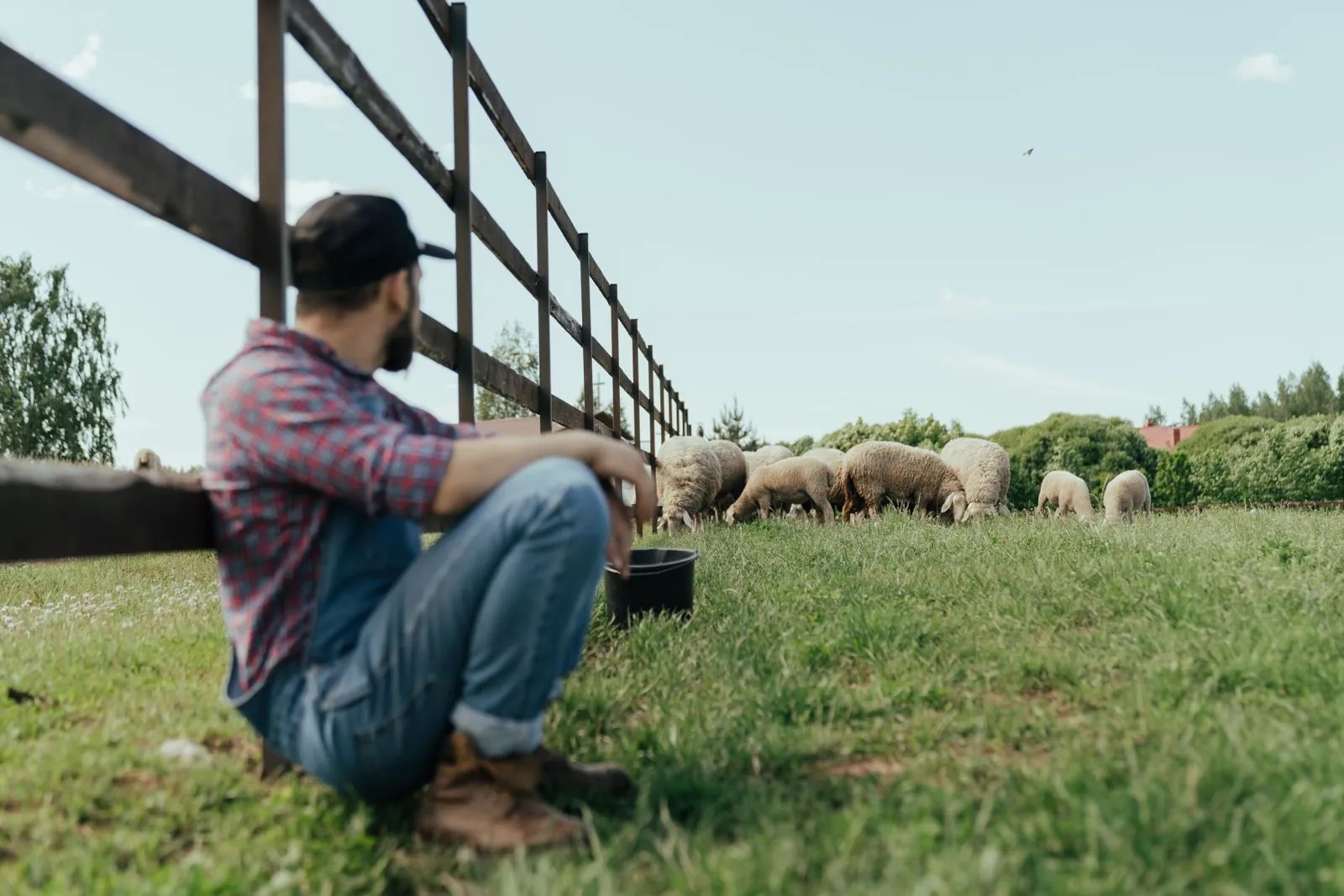
A little preparation can help your farm animal veterinary visit run smoothly and give your veterinarian useful information from the start. Before the appointment, note what has changed, gather relevant records, and decide how you will safely bring the animal within reach. A clear path and a calm handling plan matter, too. These steps can reduce delays, limit stress for people and animals, and leave more time for the examination and your questions.
Gather Health Details
Write down when you first noticed the problem and how it has changed. Include specific signs such as reduced appetite, coughing, lameness, unusual behavior, or changes in milk or manure. Note whether one animal or several are affected, and mention recent feed, pasture, housing, or management changes. If possible, record the animal’s temperature or other observations only if you can take them safely.
Have useful records ready, including vaccination dates, previous illnesses, medications, and recent treatments. For medicines, note the product name, amount given, route, and time of the last dose. Keep packaging or a clear photo of the label available. For a herd concern, identify each affected animal and share any relevant group information, such as recent introductions or exposure to sick animals.
Plan Safe Handling
Choose a secure, familiar place where the veterinarian can examine the animal without unnecessary movement. Check that gates, latches, flooring, and fencing are in good condition. Remove clutter and keep dogs, machinery, and unrelated animals away from the work area. If the animal needs restraint, use equipment you know how to operate safely rather than improvising at the last minute.
Arrange for someone who knows the animal to help, especially if it is large, nervous, or difficult to move. Let the veterinary team know about handling challenges before the visit, including whether the animal kicks, bites, escapes, or reacts strongly to restraint. Do not put yourself or others at risk to catch or hold an animal; ask the clinic for guidance on a safer plan.
Prepare the Farm
Give the veterinarian clear directions to the property and the animal’s location. Secure a way to enter the farm, unlock gates, and keep the route passable for a vehicle. If weather may affect access, point out muddy lanes, low clearances, or other obstacles when arranging the visit. A charged phone and a reliable way to meet the veterinarian can prevent time spent searching for the right barn or pasture.
Make the examination area as clean, dry, and well lit as practical. Set aside any records, feed labels, samples, or photos that may help explain the problem. Ask the clinic in advance whether to collect a sample or withhold feed; requirements can vary by situation. Avoid changing treatment or giving medication just before the appointment unless your veterinarian has advised you to do so.
Make the Visit Useful
Write down your main questions so important details do not get lost in the moment. You might ask what signs require urgent attention, how to give prescribed treatment, when to check progress, and whether other animals need monitoring. Share your goals and practical limits, such as available facilities or the animal’s role on the farm, so recommendations fit the situation.
During the visit, take notes on the plan, medication instructions, follow-up timing, and what to do if the animal worsens. Repeat back any directions that are unclear, especially dosing or withdrawal instructions for food-producing animals. Before the veterinarian leaves, confirm how to reach the practice with follow-up questions and whether a recheck or additional information is needed.
Good preparation starts with accurate observations, safe access to the animal, and a workable place to examine it. Keep a simple health log and update it as changes occur; those notes can help at future visits, too. If you are unsure what to prepare, contact Green Pasture Vet before the appointment to ask what will help for your animal’s situation.